How to Start Exercising: Tips for Beginning Your Fitness Journey
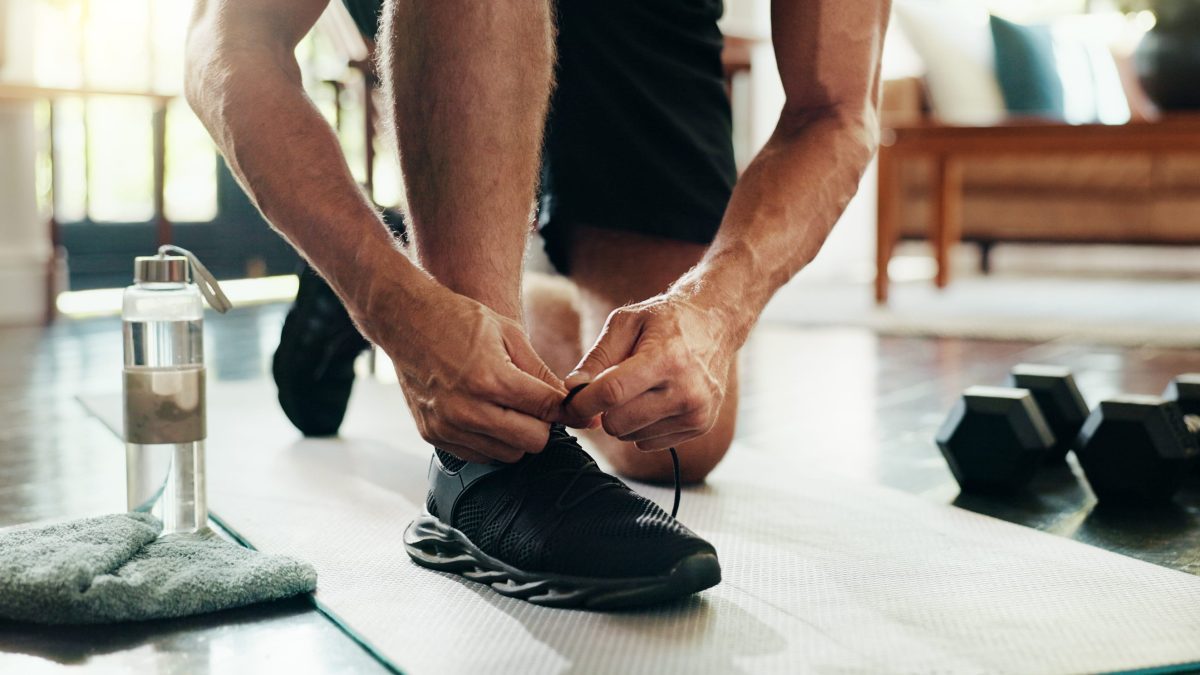
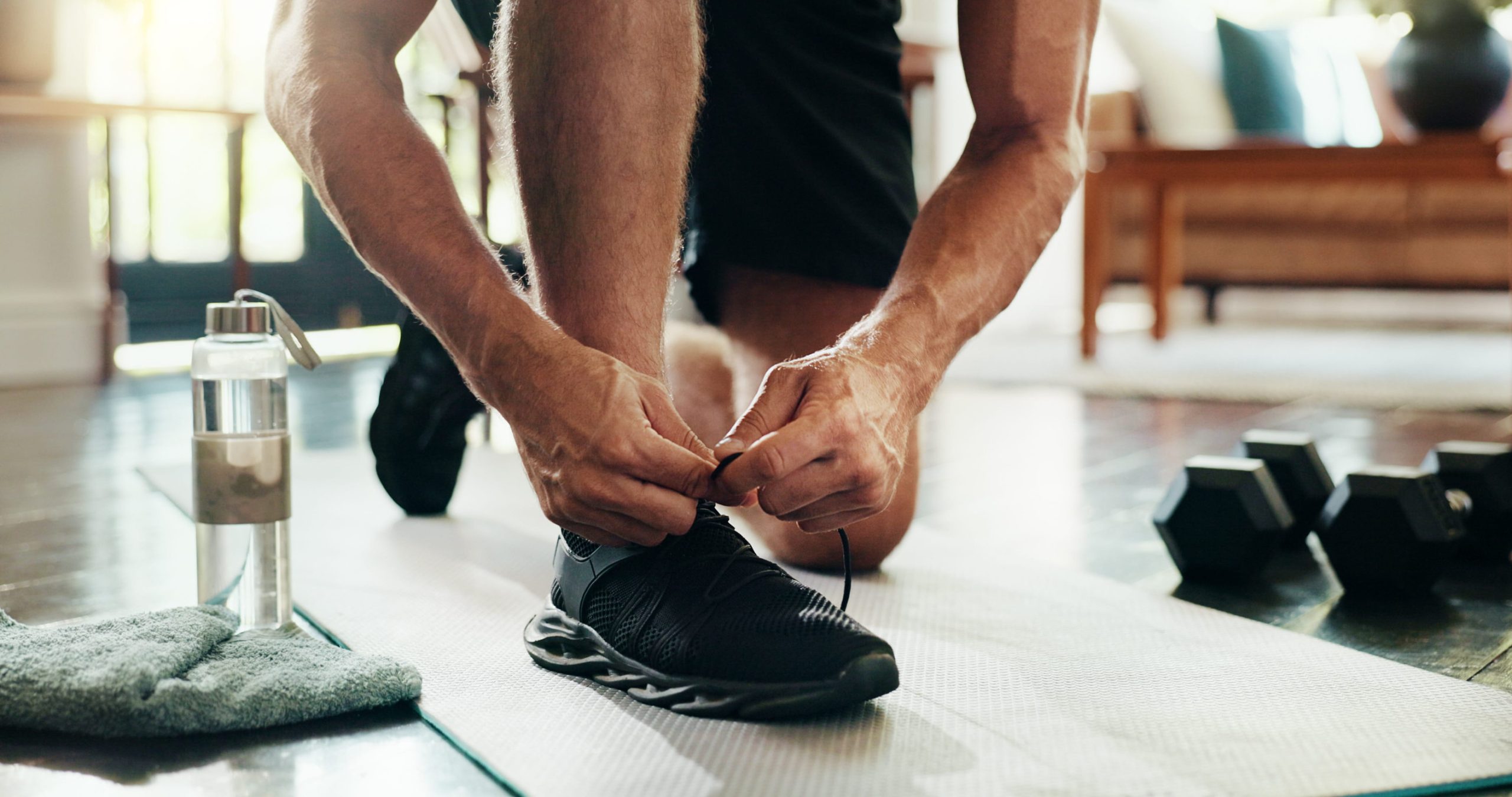
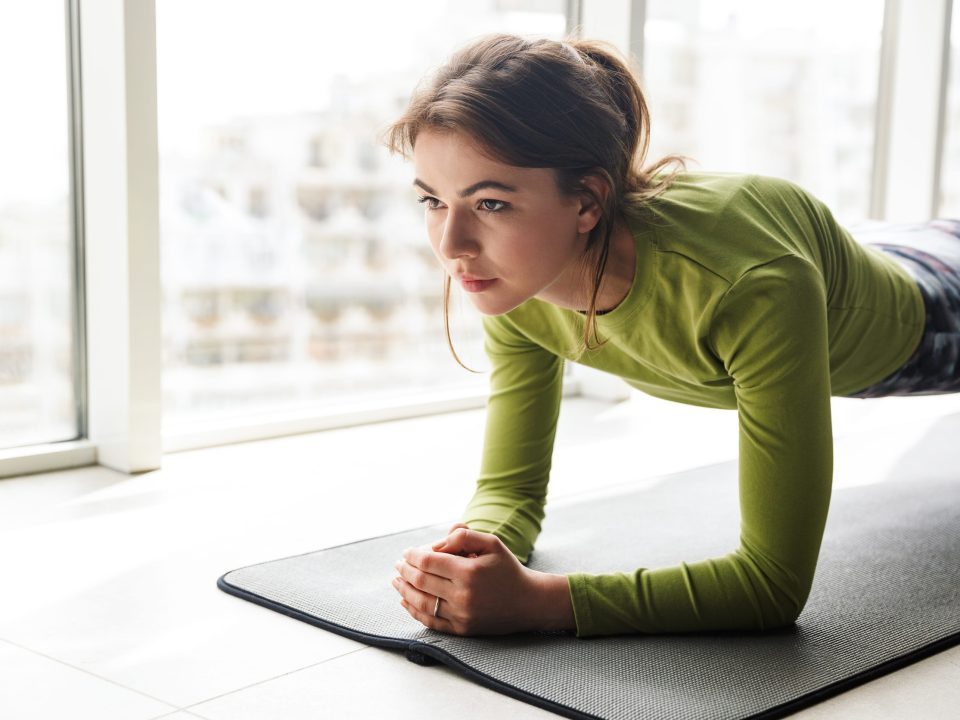
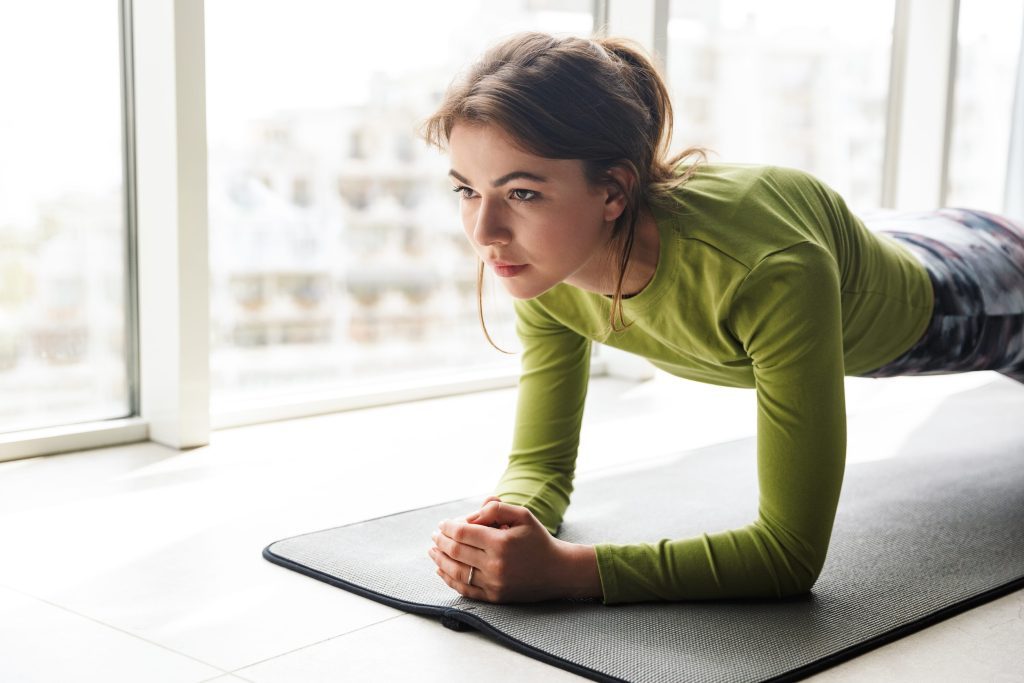
Figuring out how to start exercising can feel overwhelming. Whether you've never set foot in a gym or you're returning after a long break, the most important step is simply getting started.
Here's a practical guide to help you build a routine that sticks.
Understand Where You’re Starting From
Before jumping into anything, it’s important to understand what your current fitness level is. Consider your current activity level and any health conditions or physical limitations you may have. If you have any concerns, it’s always a good idea to check in with your doctor before starting a new exercise program.
Knowing your starting point helps you set realistic expectations and avoid the frustration of comparing yourself to others.
Start Small
One of the biggest mistakes beginners make is doing too much, too soon. If you currently aren’t doing any cardio, don’t expect yourself to run a 5k tomorrow. Instead, start with something small, like 10-20 minutes of movement a few times a week. A short walk, a light bike ride, or a beginner-level workout is enough to get the ball rolling without burning yourself out right at the beginning.
Schedule It
Consistency is more important than intensity. Regularly schedule your workouts and treat them like appointments you can’t cancel. When exercise is blocked off on your calendar, it’s far less likely to get pushed aside by a busy day. Plus, the more consistent you are with it, the more likely it is to become a habit rather than a chore.
That being said, it’s important to make that schedule realistic. If you’re not a morning person, don’t try to spend time on the treadmill at five in the morning. Pick times that will work with your lifestyle. It doesn’t matter when you do it, just that you do it. Write it down, set a reminder, and honor that commitment to yourself.
Create Manageable Goals
Vague goals like “get in shape” or “lose weight” can mean anything. Without a clear goal, you’ll have no idea if you’re on the right track. Instead, set specific, achievable goals that give you something concrete to work toward.
For example, “I want to be able to do 10 push-ups by the end of the summer” or “I want to run a 5k in under an hour by the end of the year” are measurable, motivating, and actually attainable. They’ll give you a clear direction and a real sense of accomplishment when you hit them.
Join a Gym
Having a dedicated space for exercise removes a lot of the mental friction that can get in the way of working out. A gym gives you access to state-of-the-art equipment, trained staff, and a community of people with similar goals.
The Lafayette Family YMCA, for example, offers a wide range of facilities and programs for all fitness levels. Members have access to amenities like an indoor track, swimming pool, basketball courts, pickleball courts, cardio and strength equipment, and group exercise classes.
For beginners, having so many options available can make it easier to find activities you genuinely enjoy. Plus, gyms can also provide accountability and encouragement. Being around other people who are prioritizing their health can be motivating, especially when you’re just getting started.
Explore Group Fitness Classes
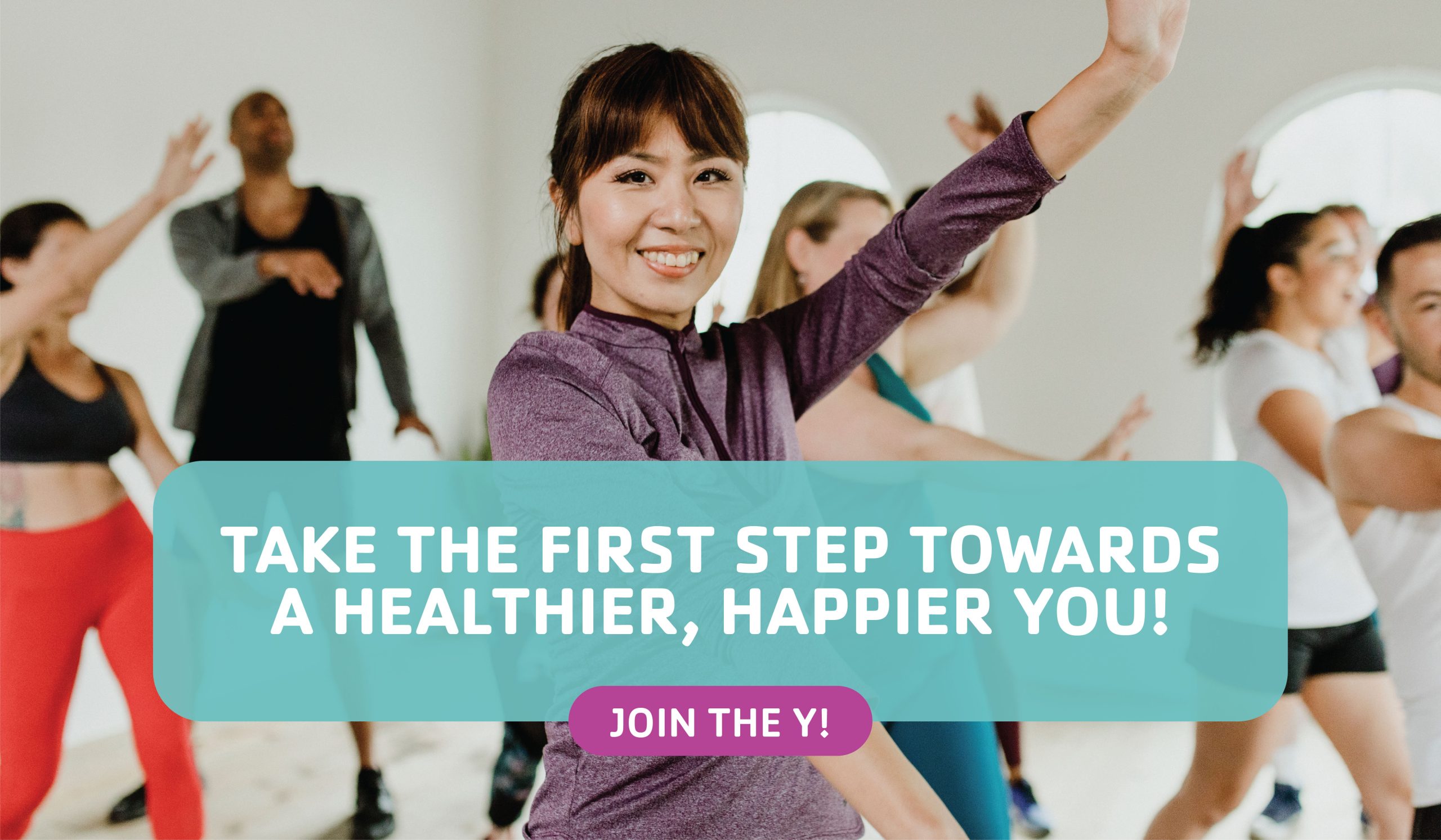
Creating your own fitness routine—and sticking with it—can be tricky. If you find solo workouts hard to stick with, group fitness classes can be a game-changer. These classes are often set on a regular schedule, which can naturally support the consistency you're trying to build. Instead of deciding each day whether to work out and when, you just show up at the same time each week.
That structure does a lot of the heavy lifting for you, including in the actual work you do. The instructor handles the programming, the pacing, and the cues. You just follow along. For someone new to exercise, removing that mental load makes showing up a whole lot easier.
Group fitness classes are also a low-stakes way to explore different types of movement. Curious about yoga? Want to see if cycling is your thing? Looking to learn safe weightlifting? Take a class. You get to sample a wide range of formats, and over time, you'll discover what genuinely clicks for you, which makes it much easier to build a routine you actually enjoy.
Work with a Personal Trainer
If you're not sure where to start or want to make the most of your time at the gym, working with a personal trainer is one of the smartest choices you can make for your health. A personal trainer will assess your current fitness level, help you set realistic goals, and build a program tailored specifically to you.
They'll also teach you proper form and technique, which is essential for getting results safely and avoiding injury. Many beginners are surprised by how quickly they progress when working with someone who can guide, encourage, and hold them accountable. If you're a member at a gym, it's worth asking what personal training options are available.
Listen to Your Body
Pushing yourself is part of growth, but there's a difference between productive discomfort and pain that signals something is wrong.
Muscle soreness after a new workout is normal and usually fades within a day or two. Sharp pain, joint pain, or discomfort that worsens during exercise is a signal to stop and rest. Recovery is not optional—it's where the real progress happens. Build rest days into your routine, get enough sleep, and stay hydrated. Your body will thank you.
Track Your Progress
Seeing how far you've come is one of the best motivators to keep going. Keep a simple log of your workouts and what milestones you’ve achieved as you work towards your goals. Even the smallest change is growth to be proud of.
Over time, you'll notice things like being able to walk farther without getting winded, lift heavier weights, or move through a yoga with more ease. These small wins are powerful proof that your hard work is paying off. Progress isn't always linear, but when you track it, you can look back and see how much you've grown—even on days when it doesn't feel that way.
Knowing how to start exercising is half the battle. The rest is just showing up. Whether that means walking more, trying group fitness classes, swimming, lifting weights, or joining a local gym like the Lafayette Family YMCA, the important thing is simply getting started. Over time, those small efforts can turn into habits that improve your strength, energy, confidence, and overall health.
The Lafayette Family YMCA is a community dedicated to healthy living and social responsibility. For more fitness tips and to stay up to date about YMCA events, connect with us on Facebook, Twitter, LinkedIn, and Instagram, or visit our website here.